



Restaurant Marketing: Strategy, Channels and Metrics

07
September
2020
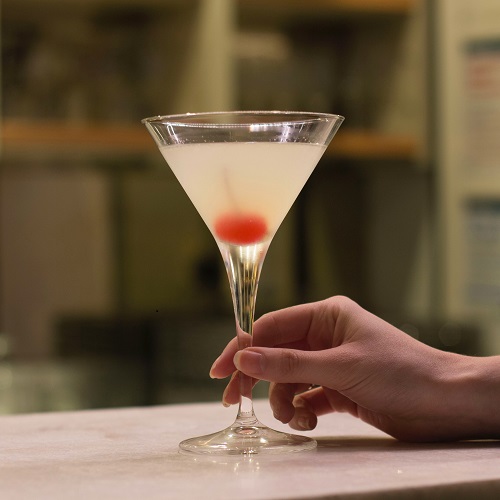
Restaurant marketing starts with a concept and a clear audience, then relies on Google Maps and reviews, a website with a menu and bookings, Instagram and TikTok, delivery and a loyalty programme. Results are measured in bookings, orders and repeat visits.
Discuss your projectTelegramWhatsApp
In short
- For most venues Google Maps brings guests more often than other channels, so start with the profile and reviews.
- Publish the menu as an HTML page: a PDF is hard to read on a phone and indexes worse.
- Instagram and TikTok show the atmosphere; Meta Ads can target a radius around the venue.
- Repeat visits cost less than new ones: you need a guest list and a loyalty programme.
- Tag every channel with UTM parameters and promo codes to see where each guest came from.
Where does restaurant marketing start?
First come the concept and positioning. Who is your guest: office workers at lunch, families at weekends, tourists, fans of a particular cuisine? Within what radius do they live or work? How do you differ from nearby venues in facts: cuisine, format, opening hours, a terrace, a children's room?
The answers decide the channels and the tone. A lunch spot needs Maps, a fast website and delivery. An event venue needs photos, reviews and hall bookings.
Google Maps and reviews
Your Google Business Profile is the first thing a guest sees when searching "restaurant near me". Fill in the category, hours, menu and attributes (terrace, delivery, pet-friendly) and upload fresh photos of dishes and the dining room. Reply to every review, including negative ones, calmly and to the point. Ask happy guests for a review with a QR code on the receipt or the table. Buying reviews breaks Google's rules.
Website and menu
A restaurant website does four jobs: the menu with prices, table booking, delivery or pick-up, and contacts with directions. Publish the menu as a regular HTML page with schema.org Restaurant and Menu markup. Take bookings through your POS widget, such as Poster, or a form that sends the request to the manager's Telegram. See what such a site includes on our website development page.
Instagram and TikTok
Social media shows the atmosphere and the food. Short videos work: how the signature dish is made, the kitchen from inside, the chef, events. Post regularly, tag the location and work with local food bloggers. Meta Ads and TikTok Ads can target a radius around the venue and interests.
Delivery and aggregators
Glovo and Bolt Food give reach, but they take a commission and keep the guest's contact details. Your own delivery through the website or a Telegram bot builds a customer list. A workable setup: aggregators for new guests, plus an insert with a promo code for the next order through your own site.
Google advertising
Google Ads covers searches with intent, such as "sushi delivery Obolon" or "banquet hall for 50 people". A campaign on the restaurant's name protects the brand from aggregators bidding on it. Chains and delivery services can use Performance Max with order goals.
Loyalty and repeat visits
- A loyalty programme in the POS system: points or a discount on the next visit.
- A guest list with marketing consent: SendPulse or eSputnik for email and Viber.
- A Telegram channel or bot with the daily menu and offers.
- Birthday greetings and invitations to events.
How do you measure marketing results?
- Bookings and orders from the website: goals in GA4 and Google Tag Manager.
- Calls and direction requests from Google Maps: profile statistics.
- Promo codes and UTM parameters for each campaign and blogger.
- Average bill and visit frequency from POS data.
Once a month, compare the cost of each channel with the guests and revenue it brought.
Examples from our portfolio
For the self-service coffee station network Fast Coffee and the ice cream studio Iceborn we built websites: for Fast Coffee a MODX site in four languages with on-page SEO, for Iceborn a brand landing page in Ukrainian and English. We develop marketing strategies with market analysis, positioning and an ad campaign as part of our marketing strategy service.
Frequently asked questions
Where should I start promoting a new restaurant?
With a Google Maps profile, photos of dishes and the dining room, a website with a menu and bookings, and an Instagram account. Radius-targeted ads can launch a few working days after access is granted.
Does a restaurant need a website if it has Instagram?
Yes. A website shows the menu and prices in Google search, takes commission-free bookings and orders, and builds a guest list. Instagram remains the channel for atmosphere and events.
How do I get more Google reviews?
Ask satisfied guests: a QR code on the receipt or table leads straight to the review form. Reply to every review. Buying reviews breaks Google's rules.
Should I work with Glovo and Bolt Food?
Yes, for reaching new guests, with the commission in mind. Build your own delivery through the website or a Telegram bot in parallel so repeat orders come direct.
How do I know which channel brings guests?
Use UTM parameters and a separate promo code for each campaign, GA4 goals, Google Business Profile statistics and POS data.
Related services and articles
- Marketing strategy development
- Google Business Profile optimisation
- Social media marketing (SMM)
- Targeted advertising on Instagram
- Website development
Sources: Google Business Profile: guidelines, schema.org/Restaurant.
Tell us about your venue and the guests you are missing. We will suggest channels, a launch plan and a way to measure the result.
Send a requestTelegramWhatsApp
Contact us
We will answer all your questions.
 DUNS Number: 68-606-2061
 NCAGE Number: A3G3J






 "INNOVA CONSULTING GROUP"


Comments
Write comment