


LMS Bonyas University
LMS Bonyas University is a web system for running an educational institution. We developed it for the university: students, schedule, finance, exams, announcements and staff sit in one workspace with role-based access.
In short
- Client: Bonyas University, an educational institution.
- Task: stop keeping records in spreadsheets, paper and scattered chats.
- Scope: a system with sections for learning, finance, staff and communication.
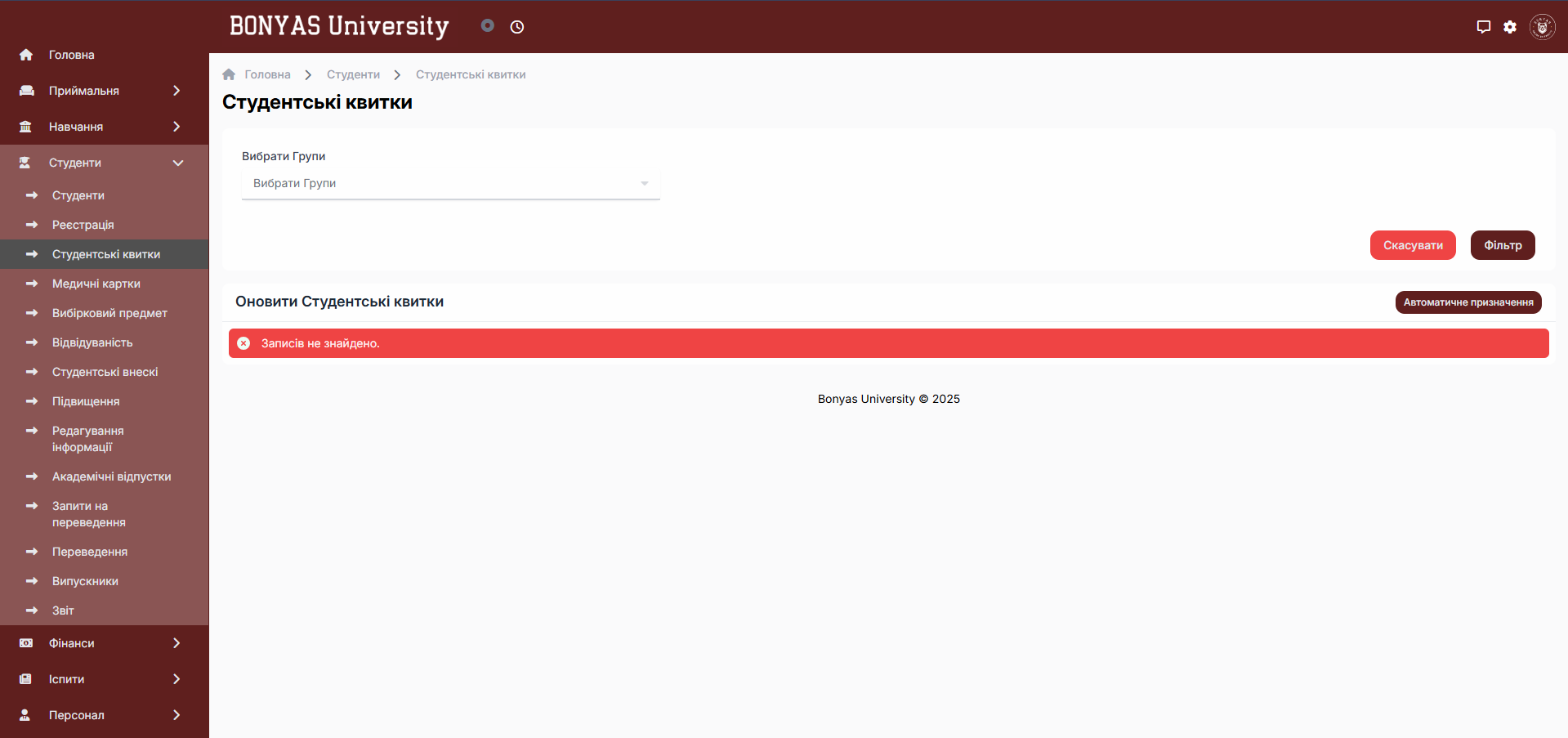
- Screenshots come from a demo version, so some sections have no records.
Client and task
An educational institution handles schedules, attendance, payments, student data, exams and announcements every day. When all of this lives in separate spreadsheets and chats, data gets lost and the administration spends hours reconciling it.
The task: one workspace for administrators, teachers and students, where everyone sees their own part.
What we did
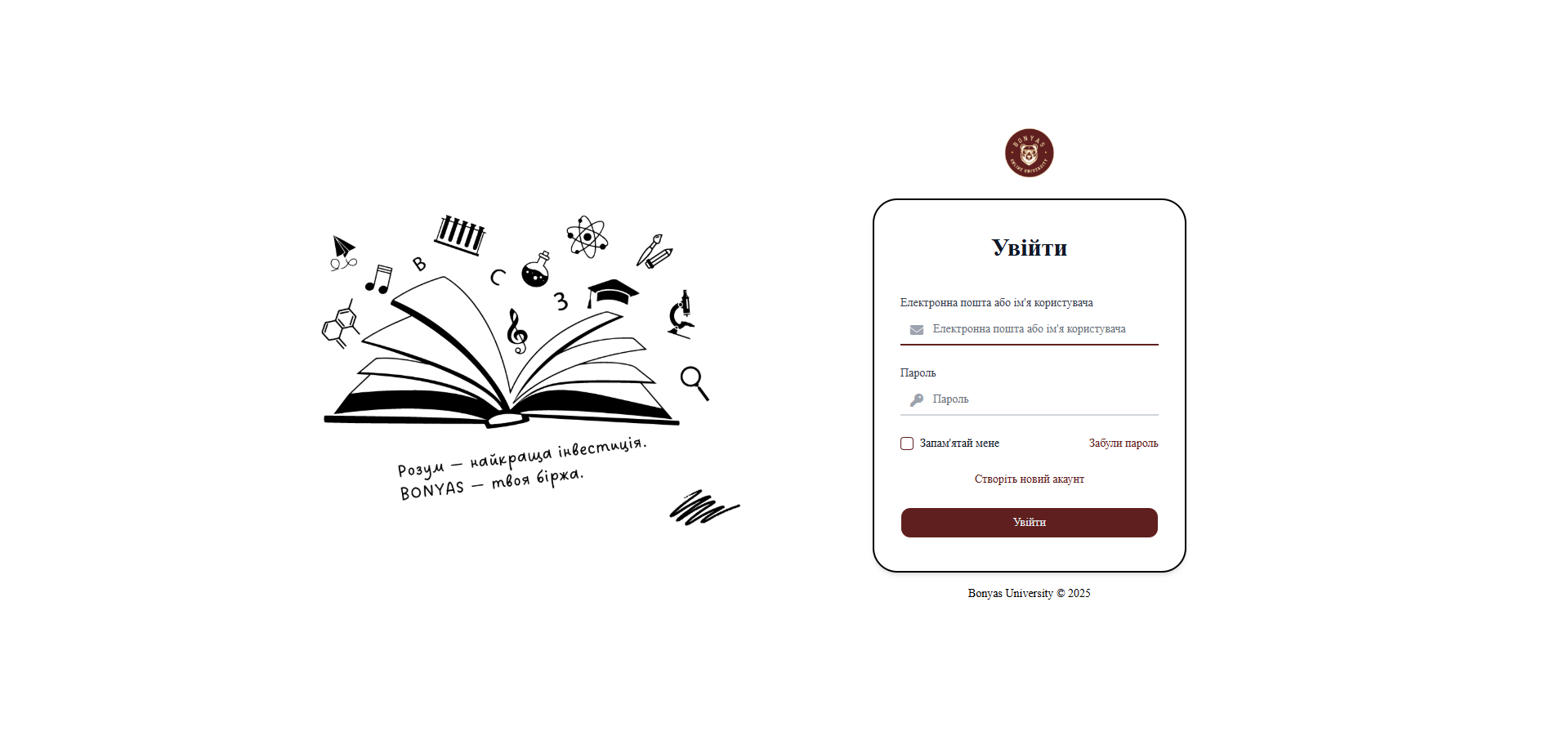
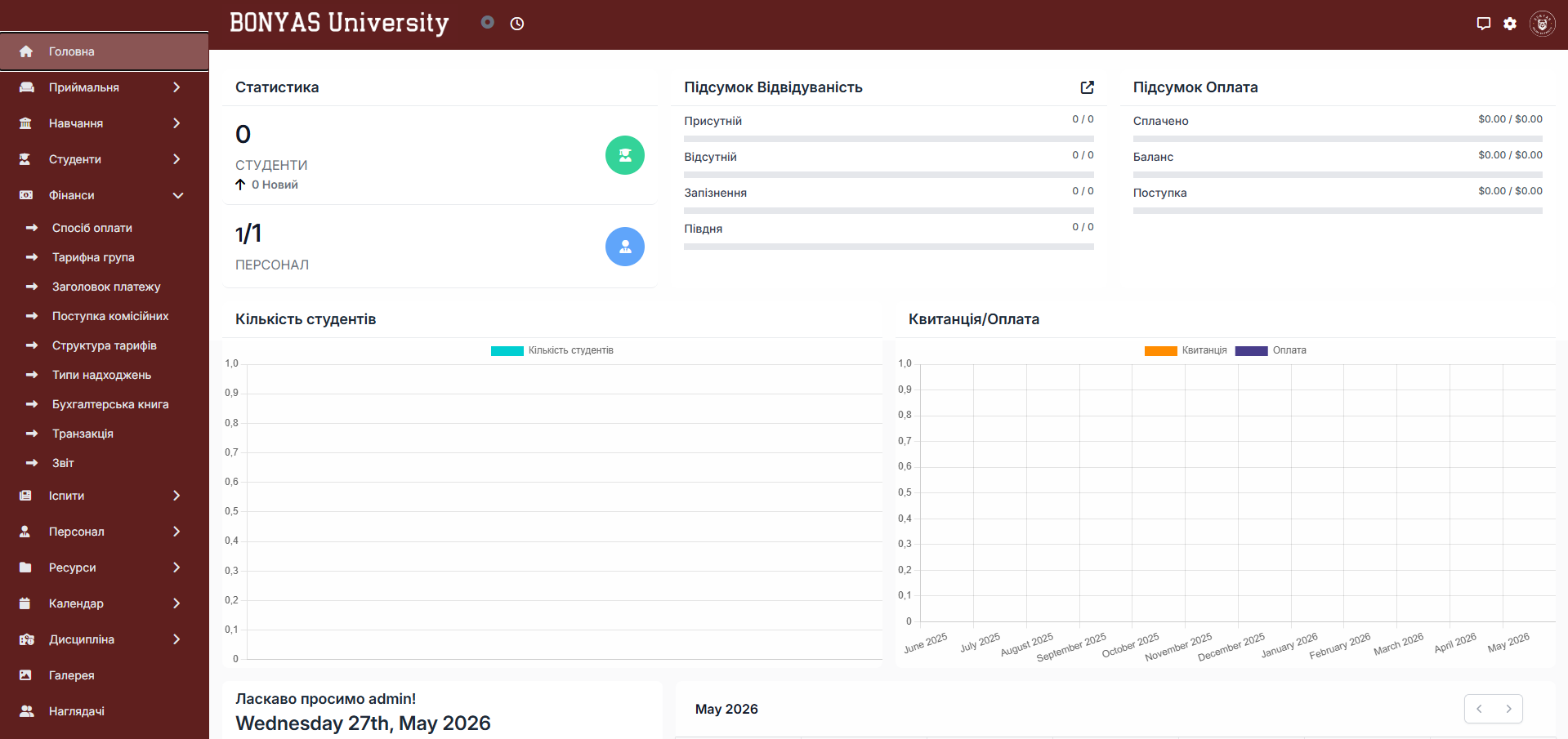
- Students: personal data, registration, enrollment, attendance, transfers, study history.
- Learning: courses, subjects, groups, schedule, assignments and materials.
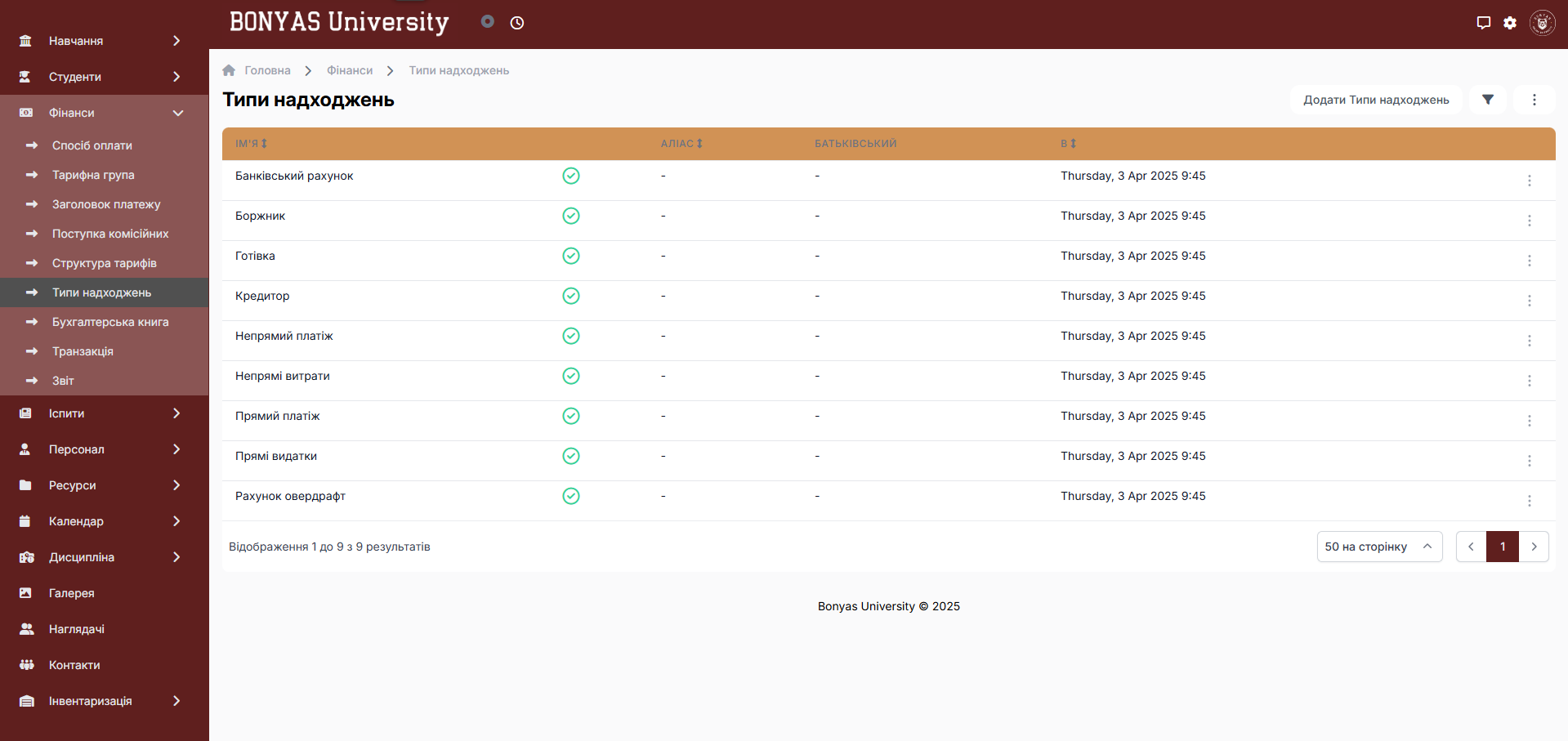
- Finance: payments, discounts, installments, refunds, payment history and debts.
- Exams: exam schedule, grades, results and academic progress.
- Communication: announcements, email notifications and SMS.
- Administration: staff, working time and leave, dormitory, transport, library, inventory, events, disciplinary records.
How access works
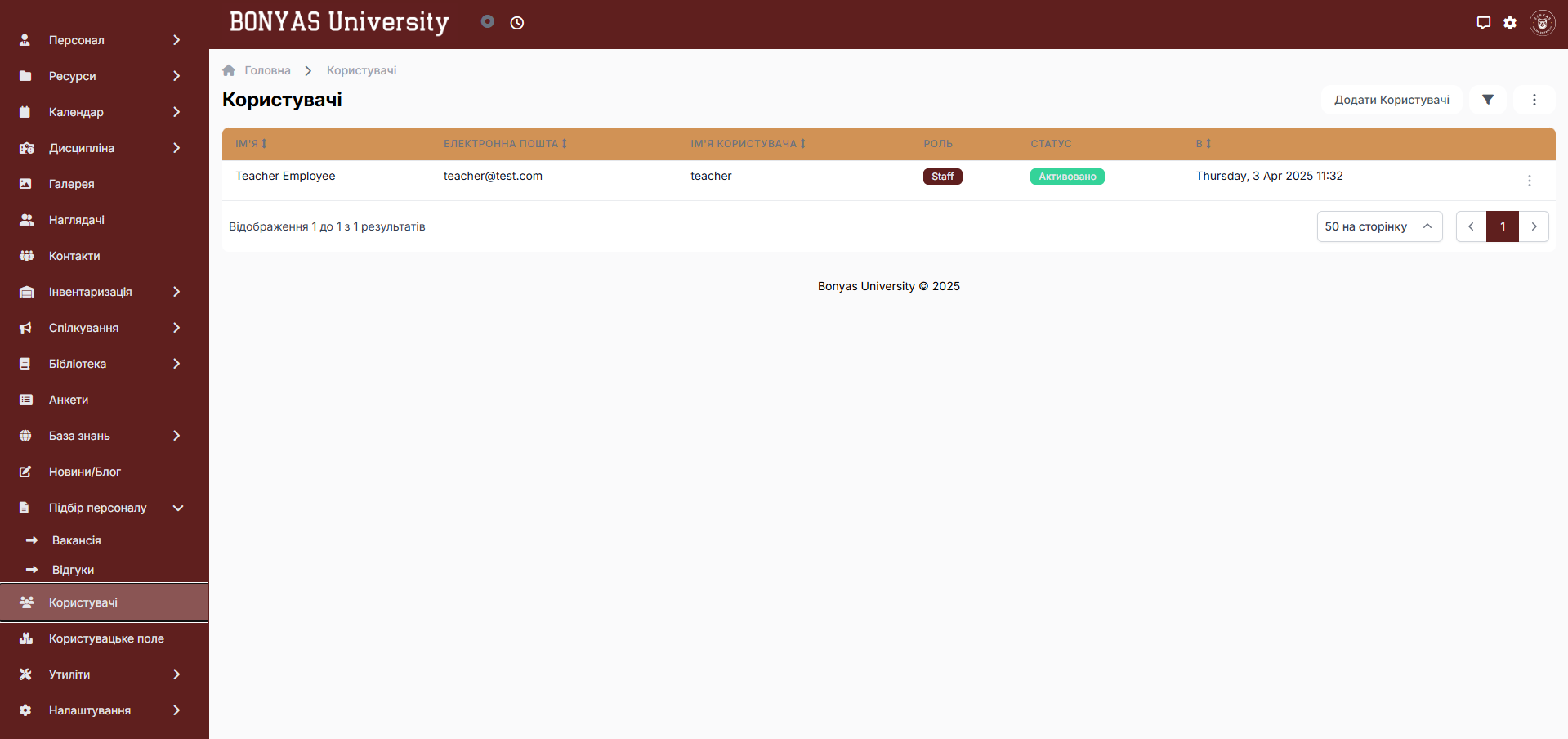
Each user sees what their role allows. Administrators control payments and the study structure. Teachers see their classes and grades. Students get a clear view of their progress.
Result
The outcome is one workspace for students, learning, finance, exams and announcements. The case was published in 2026.
Need a similar project?
An LMS, student portal or internal system with roles is a project with integrations, so we estimate the timeline after the brief. A school website without a system takes up to 10 business days.
Discuss a similar projectTelegramWhatsApp
Related services: Educational website development, Online school website

Work structure
Mapped the institution’s processes: student records, schedule, payments, exams, announcements and staff.
Defined what administrators, teachers and students can see.
Designed the workspace structure and navigation between sections.
Built the system sections: students, learning, finance, exams, communication, administration.
Prepared a demo version of the system; the case screenshots come from it.
Our case studies


Team
Our designers plan websites and apps: page structure, interface and visual style for your audience.
Our front-end developers turn designs into fast pages that work equally well on phones and desktops.
Our programmers build the back end of websites, stores and apps and connect payments, delivery and CRM.
Our SEO specialists research keywords, run technical audits, optimise pages and report on rankings and enquiries.
Our marketers study your market, competitors and channels and build a promotion plan with a budget.

Contact us
We will answer all your questions.
 DUNS Number: 68-606-2061
 NCAGE Number: A3G3J






 "INNOVA CONSULTING GROUP"